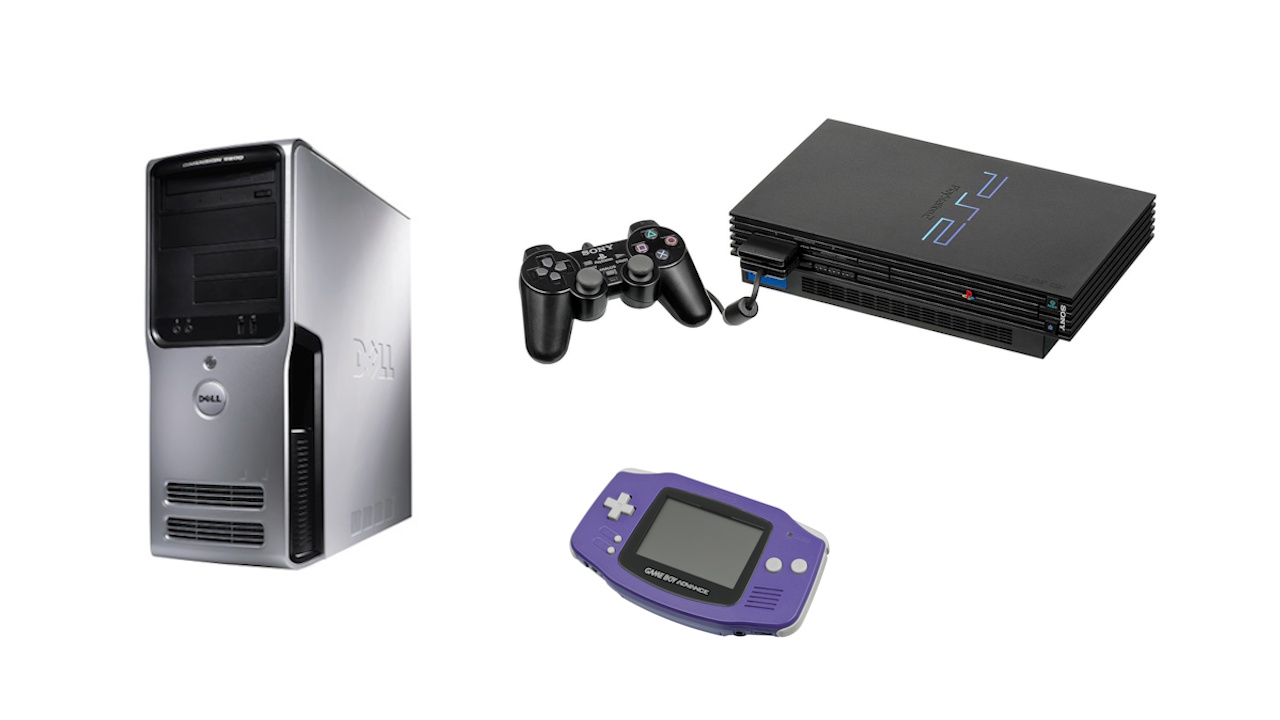
MY GAMING JOURNEY GROWING UP
Some highlights from my gaming journey, from my first games played to young adulthood. It emphasizes milestones in game history that shaped my own tastes. The full list and write-ups for each game can be found at r/backloggd (residentleever).
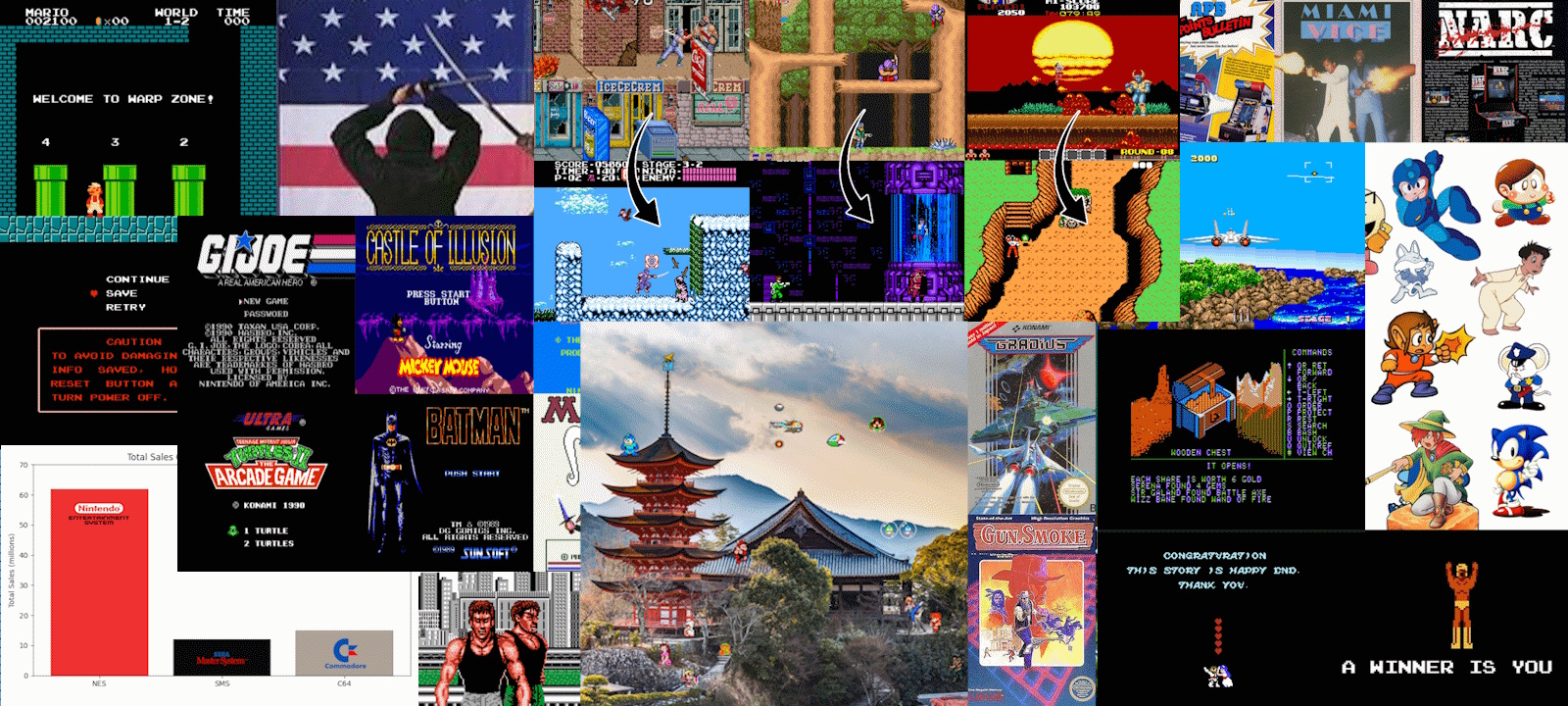
=== THE 8-BIT ERA ===
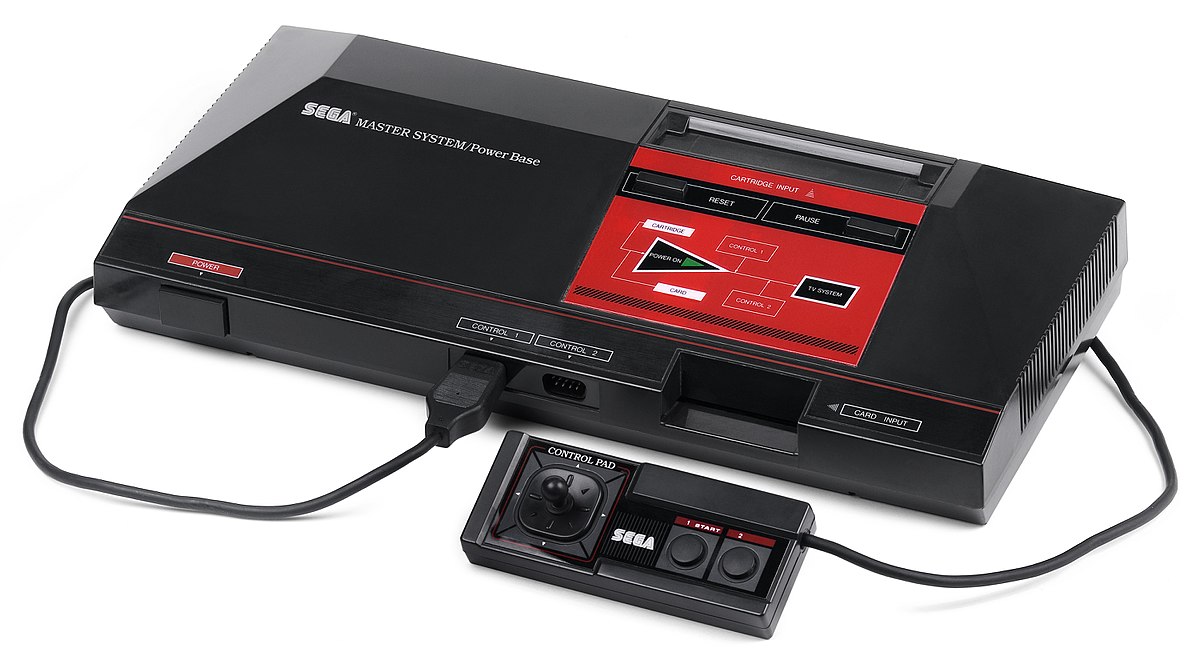
Alex Kidd in Miracle World
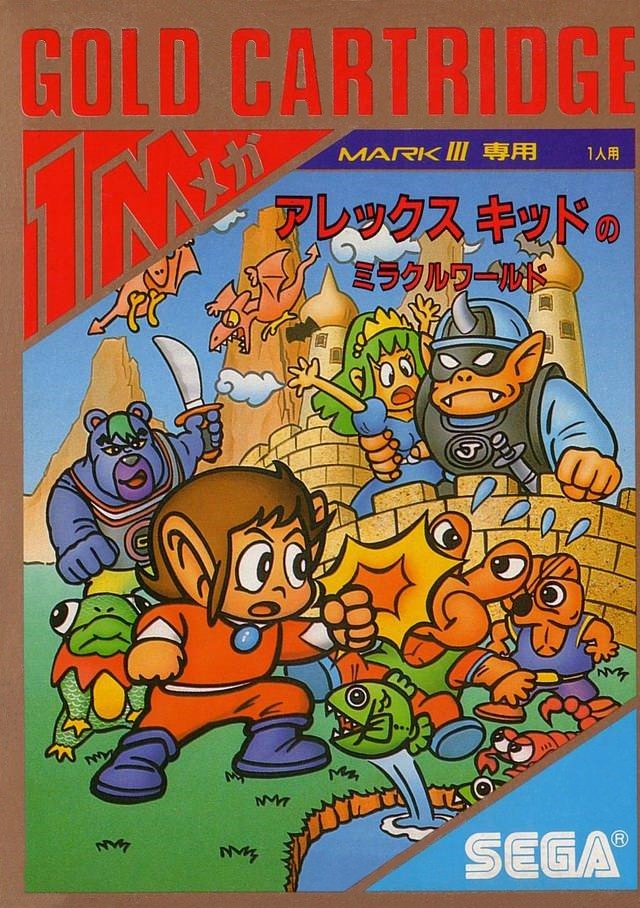
My first game played was either this, Super Mario Bros. or possibly Hang-On for the Master System. Alex Kidd is a surprisingly deep platformer that felt like a true leap forward from standard arcade fair. Beyond jumping and punching and levels that scrolled either horizontally or vertically, it featured an inventory system, vehicle segments, item shops, and dungeon-like switch puzzles in the maze-like castle levels. Settling boss fights with rock-paper-scissors provided an element that any kid could relate to (although in retrospect, it's my least favorite aspect due to being more luck-based even if a later item lets you see what the opponent is thinking and it is possible to follow a set pattern to skip them), and the NPC encounters made the game feel like a living, interactive world.
Fantasy Zone & OutRun
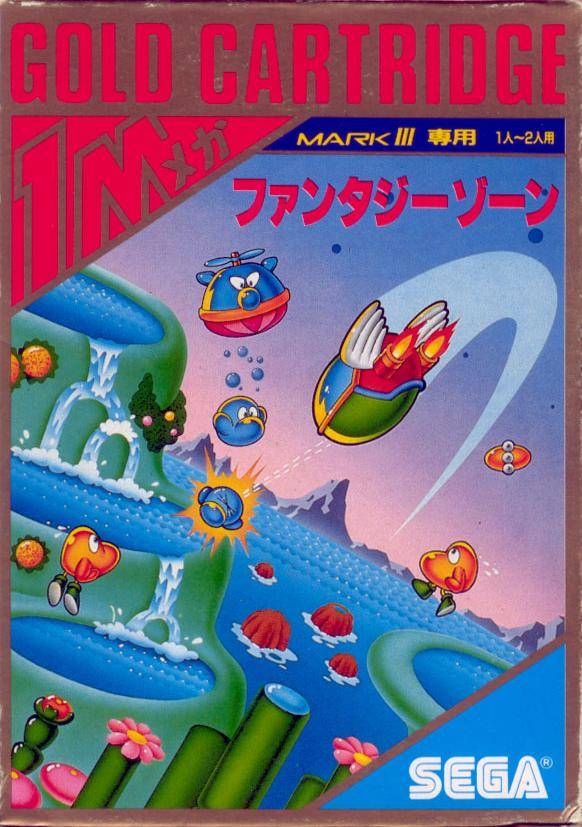
A duo of arcade classics that proved how much personality and agency action games could offer. Fantasy Zone introduced Defender-style looping worlds to my young mind, surreal pastel art, and a strategic shop system where players budgeted for speed and weapons. Do I go for the fastest, but also riskier ship engine? Which bomb works best against this boss? Stuff like that. The ending also had a psychological twist to it that you didn't see in any other console games at the time. Meanwhile, OutRun delivered impressive pseudo-3D thrill rides in hilly landscapes, branching highway routes, multiple and often funny endings and selectable soundtracks. Both games' music also stood out from the crowd with their latin and jazz fusion/pop/rock flavor.
Zillion
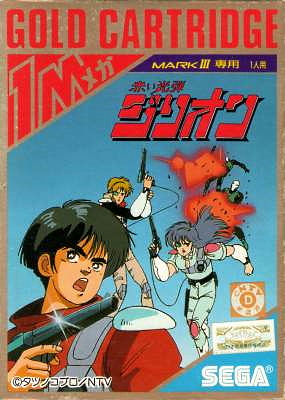
A tense, sci-fi infiltration adventure that was ahead of its time in some ways. It captivated players through swapping between characters on the fly, using x-ray glasses to spot hidden alarm traps, and hacking computer terminals to disable defenses, reveal map layouts, or teleport to safety. There was also a fourth wall breaking element to the gun used in the cool intro and in-game, since it's visually identical to the Master System's light gun which we also owned, as well as in Opa-Opa from Fantasy Zone being featured as the "level up" icon and on the continue screen in the game. In retrospect these meta and cross-media elements were a pretty smart branding tactic by Sega, also used by Nintendo around this time and later on. While it probably should've had a save system, I'll never forget the adrenaline rush of beating the boss and escaping the underground enemy base on a limited timer. This was very much a Master System owner's Metroid at the time - but even better!
Golvellius: Valley of Doom
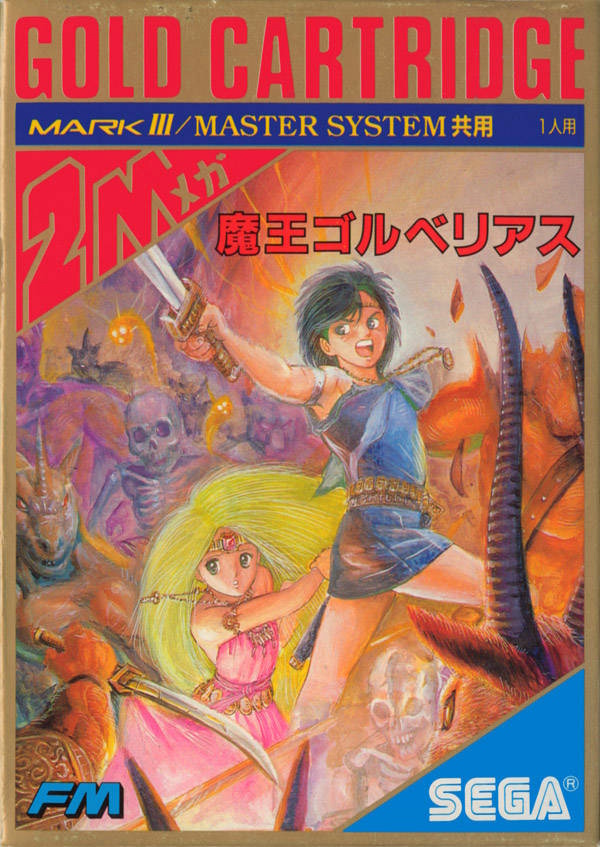
A standout 8-bit hybrid that cleverly blends top-down Zelda-style exploration with side-scrolling platforming and vertical shoot 'em up cave sequences. Featuring a memorable 80s anime art style, well executed localization (unusual at the time), and a great PSG/FM soundtrack, it builds a surprisingly rich world which raised my expectations on world-building in later games. Mechanically, it also offers unique combat quirks and finding hidden shortcuts using special mobility gear like the ascent boots to unlock more of the game world. Though gold grinding can feel a bit padded now, and the auto-scrolling action sections are too rigid in some ways, its varied boss fights, presentation and genre-shifting structure make it a classic 8-bit ARPG.
Wonder Boy III: The Dragon’s Trap
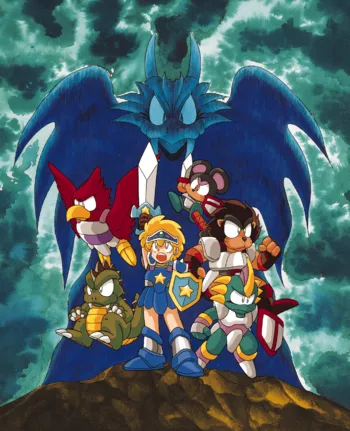
A masterclass in 8-bit platform adventure and Metroidvania/Zelda-like design. It features near-perfect pacing, several anthropomorphic animal transformations, hidden form-swapping secrets, gear that lets you both destroy and create certain blocks, and gear shops run by smoking pirate pigs. Transforming between lizard-, mouse-, piranha-, lion- and hawk-man forms granted distinct abilities that opened up the world. The depth of these transformations, as well as how you could suddenly explore freely and even underwater blew my young mind at the time. By comparison, in the first Wonder Boy (I didn't play Monster Land until later on) you only ran from left to right, stayed in human form with one weapon only, and water would kill you. On a side note, its opening sequence directly connects to its prequel - pioneering a famous storytelling trope later popularized by Castlevania: Symphony of the Night.
Mega Man 2 & 3
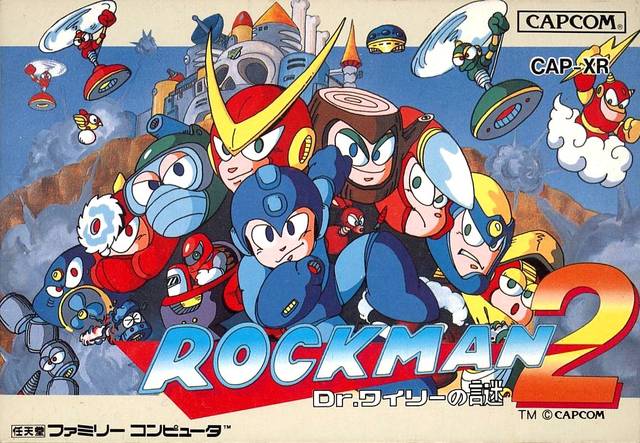
Mega Man 2 essentially completed the famous formula that the rest of its series would stick with, building on the ability copying blueprint laid by the original. By expanding the boss roster, introducing a password system, and giving us a four energy tank inventory alongside iconic weapons like the Metal Blade, it was far more polished and accessible. While it still harbors its share of late-80s trial & error like the dreaded Heat Man disappearing blocks or strict weapon ammo gates in Wily’s fortress, the great pacing, visual direction, and legendary soundtrack keep it at the top of the list among the NES entries. Alongside Mega Man 3, which was a mechanical evolution that introduced sliding and additional mobility through Rush, while fixing most of the already minor control issues of its predecessor. It also delivered harder boss patterns with hit invincibility, and saved E-Tanks after continues, however the experience felt slightly unpolished and rushed in that it used recycled Mega Man 2 boss encounters to pad out the late-game, slowdown was more frequent, and items like Rush Marine were largely redundant. Still, it was good enough that it's hard to pick a definitive winner in retrospect.
Super Mario Bros. 3
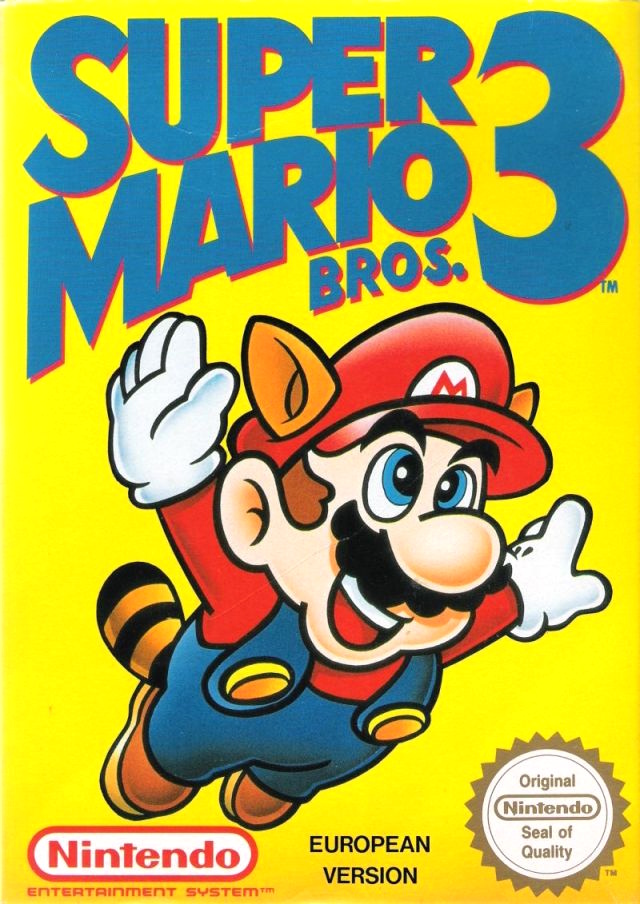
A monumental achievement in 8-bit game design. It vastly expanded the scope of platformers by introducing interactive hub maps (one for each world/area), suit-based power-ups like the raccoon suit which let Mario fly and temporarily turn into a statue, and a large inventory that let players pick which power up to use when entering a level. Secret warp flutes, the inclusion of Mario Bros. in 2-player mode, and memorable encounters with the Koopa Kids on the now iconic airships were just a few of the other standout features to my young self. The sheer variety, tight controls, and depth of world-building (for the genre) set a standard that later 2D platformers struggled to match for years.
=== 16-BIT ERA ===
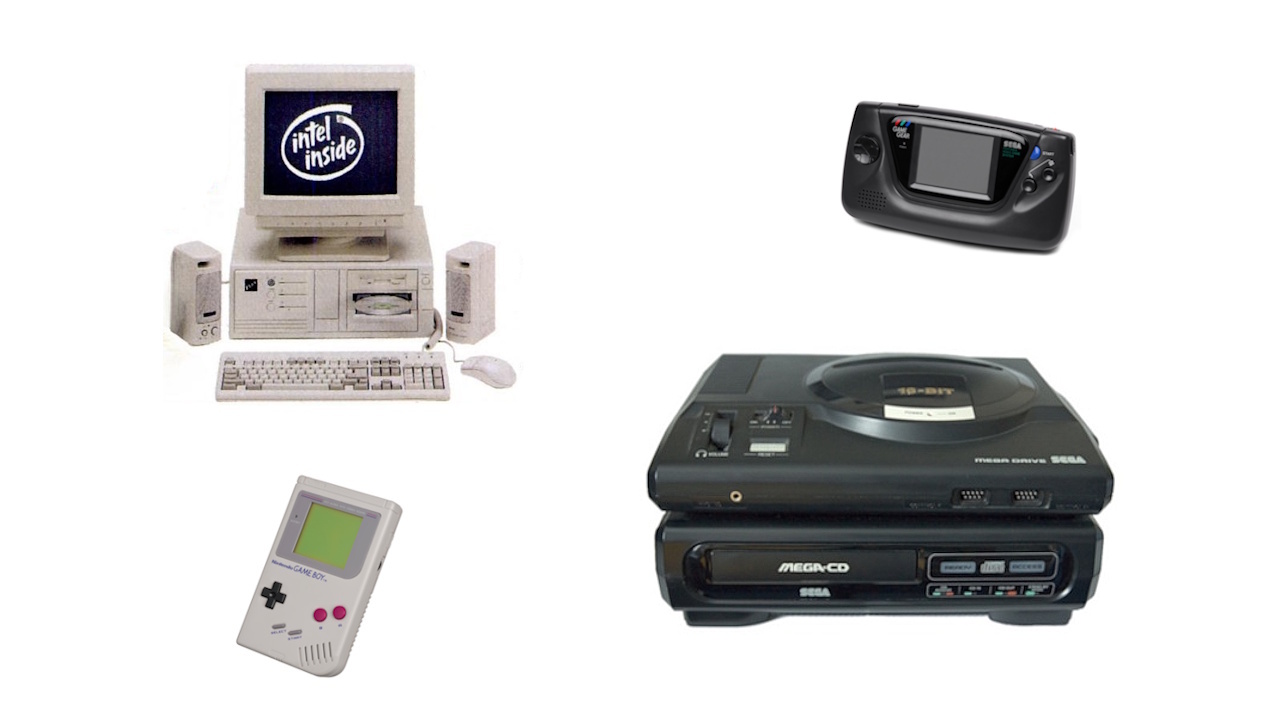
International Karate +
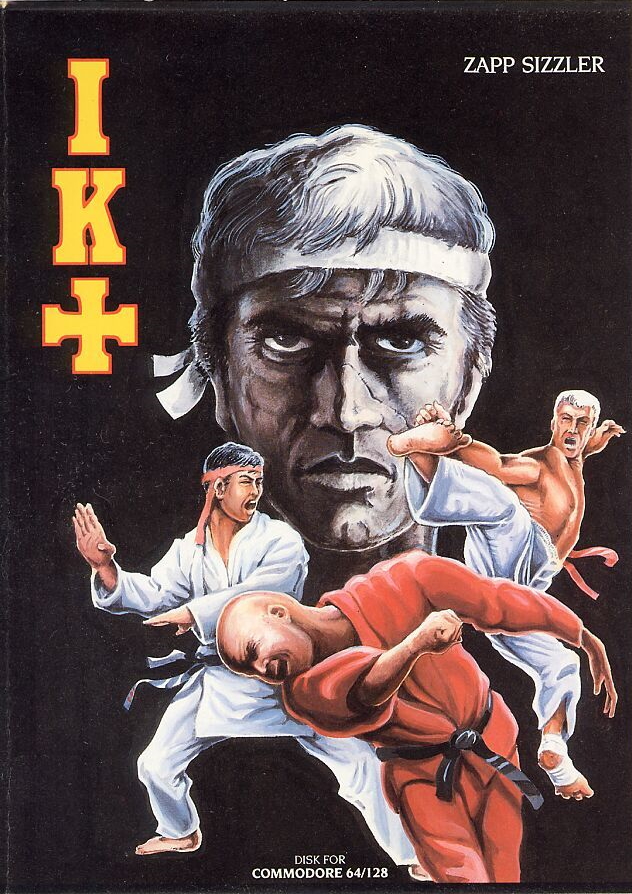
IK+ was the go-to chaotic multiplayer versus experience among my Amiga-owning relatives before Street Fighter II arrived. Three players on screen at once meant alliances shifted by the second, and landing a well-timed split kick that caught both opponents simultaneously was pure satisfaction. It featured surprising move variety, fluid, expressive animation, and stellar music. Shield and bomb-kicking mini-games added extra variety between rounds, while touches like the over the top sound effects and infamous ability to drop your pants with a keypress gave it an unforgettable charm that kept it relevant for years.
It Came from the Desert
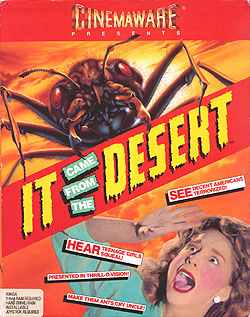
An unusually ambitious blend of genres, this title combined graphic adventure gameplay with action sequences, dialogue choices, horror elements, and time management in a small, open-ended, fictional desert town called Lizard Breath. Lifting its premise straight from 1950s creature feature movies, it sold the giant ant concept through rich atmosphere, art direction, and escalating paranoia. Keeping track of NPC schedules, gathering evidence, and timed events made the town feel alive, while interactive nightmare sequences and sudden ant encounters kept the tension high. Though the action was simple and some clues obscure, its cinematic presentation, world-building and genre-mixing felt ahead of its time.
Dyna Blaster (Bomberman)
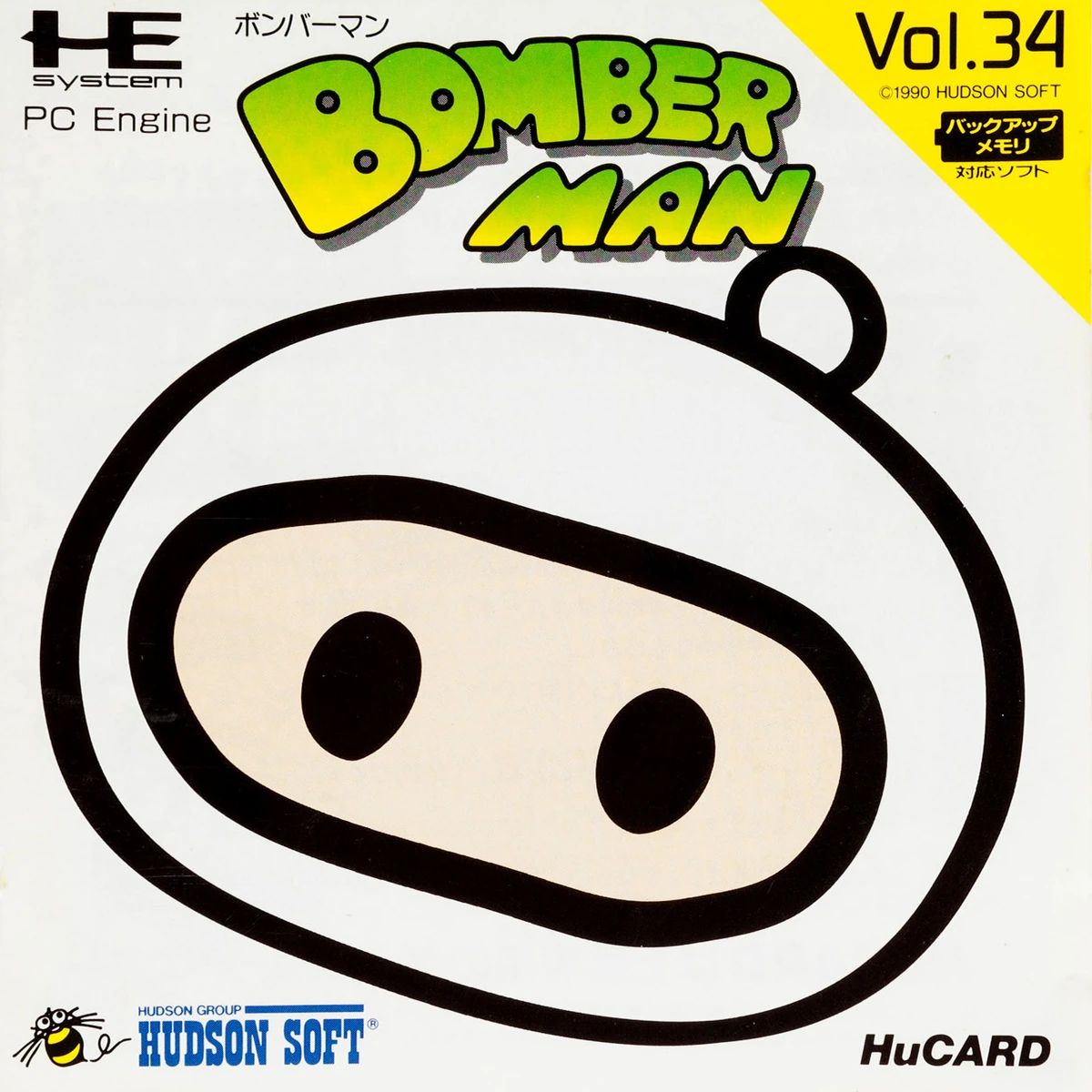
Bomberman was an early multiplayer addiction, alongside games like Micro Machines and Streets of Rage 1-2 (co-op). There's something timeless about the tension of trapping opponents with a well-placed bomb in chaotic single-screen action. The Amiga version captured almost everything from the PC Engine version while adding a great new ending track. Upgrading blast radius, bomb count, and speed is simple but satisfying, while the skull virus mechanic - where negative effects spread on contact - added to the chaos. Although the single-player story mode was slow and repetitive with just one power-up per level, the multiplayer more than made up for it, even with only a single arena. Somehow I only played the first GB Bomberman besides this one at the time, but I've later explored the rest of the series as well as introduced it to the next generation.
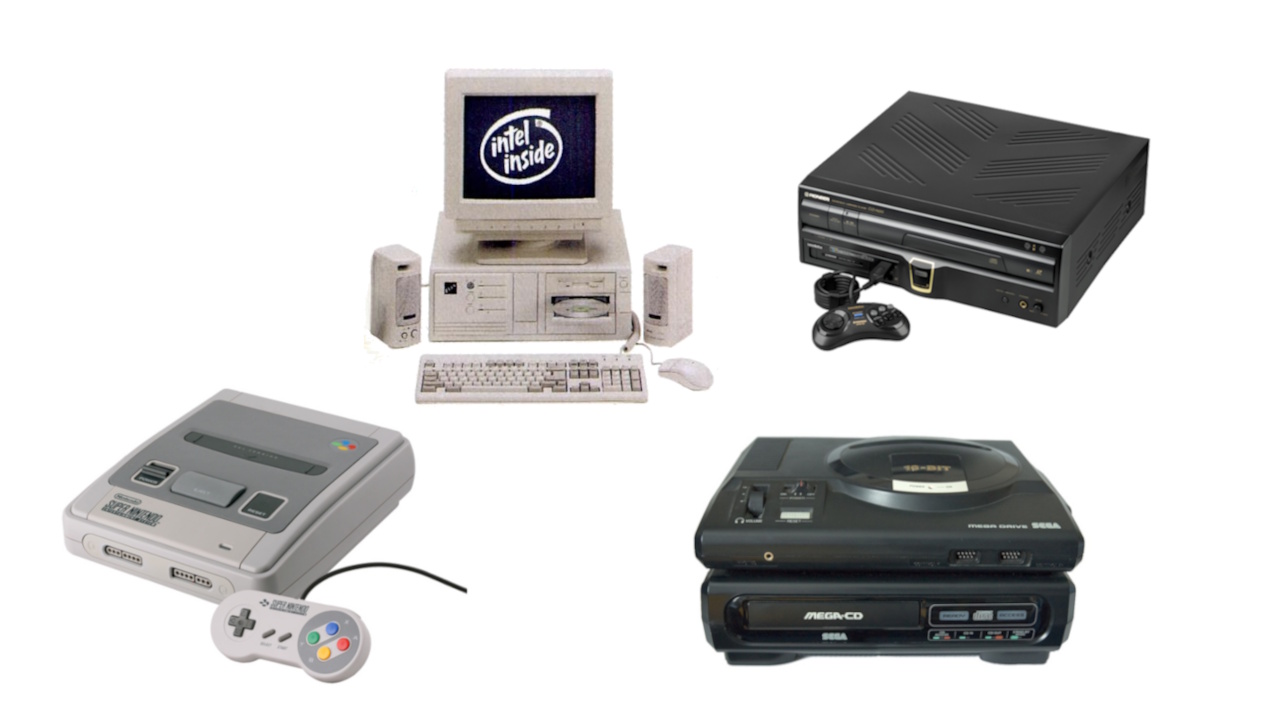
Quackshot
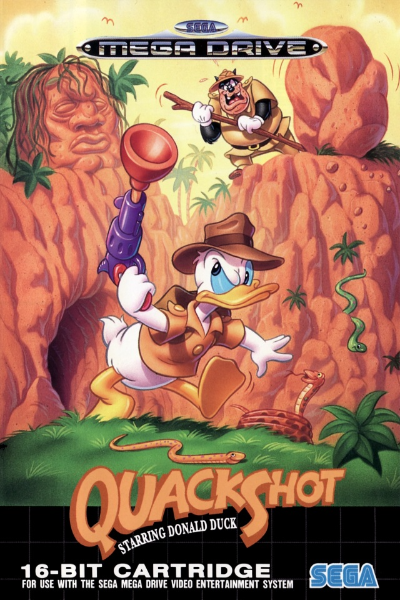
Capturing the feel of an interactive cartoon, this Disney adventure sent me and others on an Indiana Jones-style treasure hunt across Egypt, Viking lands, Transylvania and more. It set itself apart from standard action platformers through utility gating - upgrading plunger types to create wall platforms or latch onto enemies to reach previously inaccessible areas, alongside an item-trading sequence that expanded its worldbuilding. Despite somewhat clunky sliding mechanics, mostly simple boss fights, and lack of a save system, its progression and presentation delivered a stellar action adventure experience among the mostly action- and sports-focused games that I otherwise played on the Mega Drive at the time. A good gateway game for anyone looking to get into platform adventure/Metroidvania games.
Sonic the Hedgehog
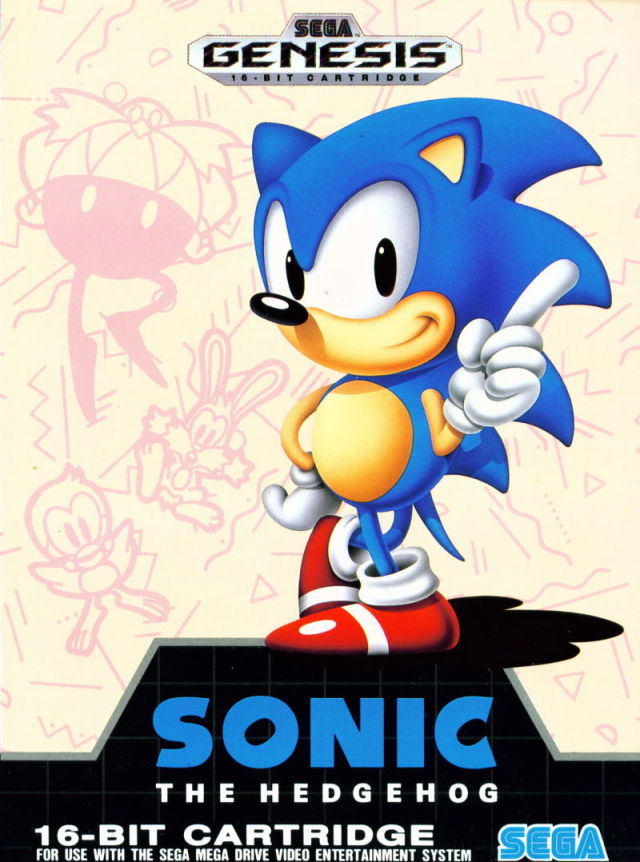
A high-speed showcase that had a huge wow factor in 1991. Its momentum-based, pinball-like physics, curved loops, and multiple branching paths gave platforming an unprecedented sense of speed and fluidity. Backed by an art-deco aesthetic, a great synth pop/R&B soundtrack, and a forgiving ring shield system, it gave Sega an instant icon and a stylish identity. While Sonic 2's spindash did improve the overall flow of the game (later added to the first in Sonic Jam and some hacks), with practice this is also a very fast game and most of the now infamously slower levels actually do have hidden shortcuts in them. I wish I still had my Sonic (and Mega Man, Shinobi, etc.) drawings I used to make at the time.
Another World
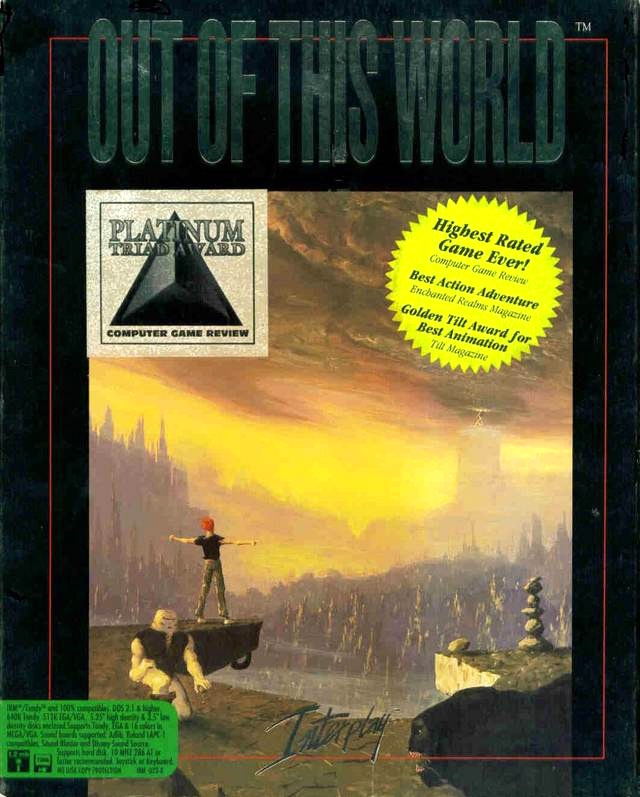
Dropping players into a sci-fi "stranger in a strange land" narrative, this cinematic platformer often felt like a waking nightmare in video game form. It replaced traditional game UI and text in favor of visual storytelling and smooth, rotoscoped character graphics made from filled polygons. Despite brutal trial & error mechanics (I did end up having more fun with Flashback and Blackthorne later on), its incredible atmosphere, variety and cooperative AI ally segments had a big impact on me at the time. The intro in particular is one of the best of the '90s and even beyond.
The Legend of Zelda: A Link to the Past
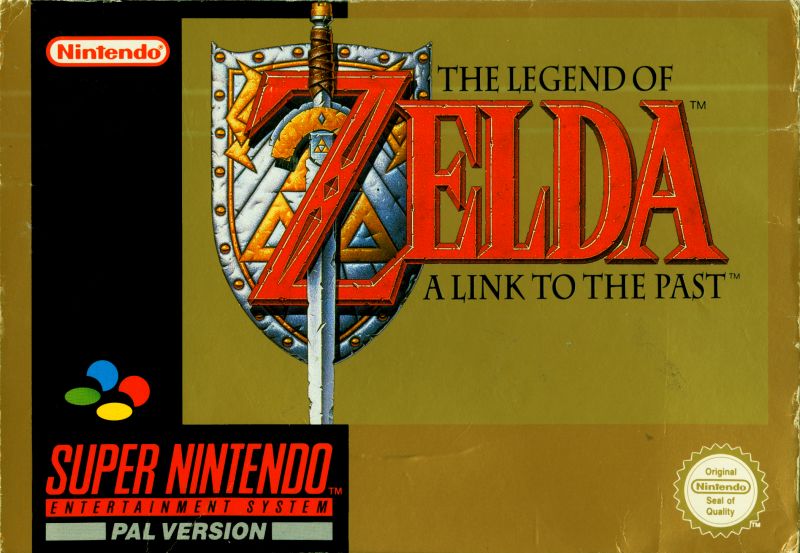
A masterwork of 16-bit design that felt like an entire alternate world to live in. Starting with a tense "tutorial which doesn't feel like one" rescue in the rain, it opened up into a dense Hyrule brimming with memorable locations and encounters, rich lore (expanded on via the official guide and the manga featured in Nintendo Power), and parallel light/dark dimensions. Eventually it turns into more of an open world game, and does so in an elegant way. Tight puzzle dungeons, an expansive and memorable item arsenal, and unmatched polish for years to come made exploration of its world incredibly rewarding.
Dune II
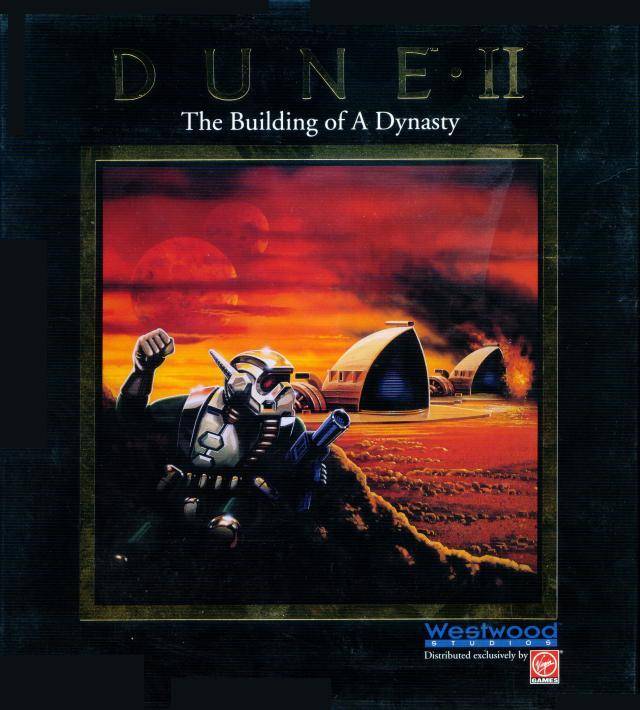
A groundbreaking title that laid the blueprint for the entire real-time strategy genre. Drawing inspiration from earlier strategy games like Civilization and Herzog Zwei, it translated the tension of base building, spice harvesting, and real-time tactical combat into an accessible, empowering experience. Protecting harvesters from giant sandworms while scouting the unexplored terrain and commanding a small army of individual units and infantry squads felt entirely fresh - like my GI Joe toys and Warhammer miniature soldiers come to life. Dune II established the core RTS template that hits like Command & Conquer and Warcraft would later refine, showing a more mature and complex side of what action gaming could offer.
Street Fighter II
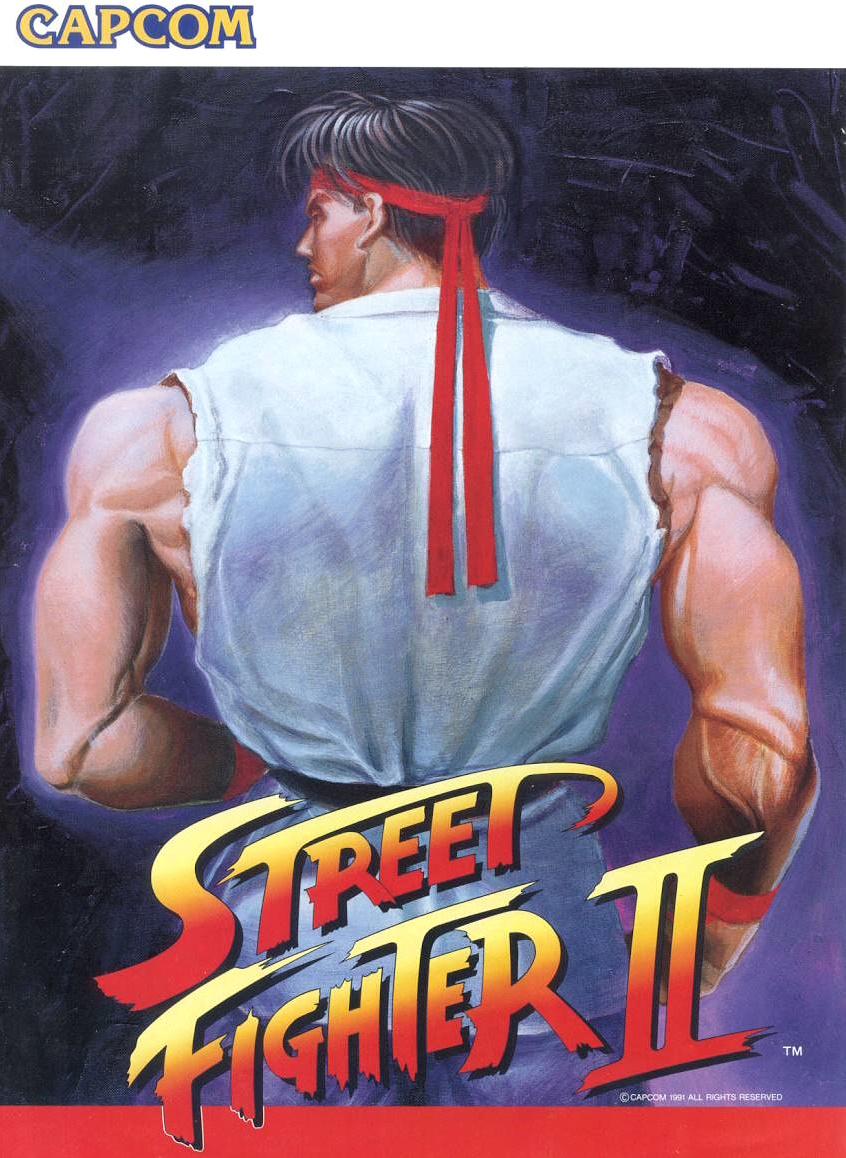
A true generational moment that defined the modern fighting game with its special moves and diverse roster focus. It bridged the gap between instant accessibility and competitive depth. Featuring a varied selection of ten martial artists from all over the world, iconic special moves like the hadouken and spinning bird kick, and an emergent combo system (although basic by later games' standards), it transformed arcade and home console culture. I don't remember why, but strangely I barely played this (on SNES and MD) against others at the time. I do remember my faves though: Vega, Ken and Chun-Li.
Flashback: The Quest for Identity
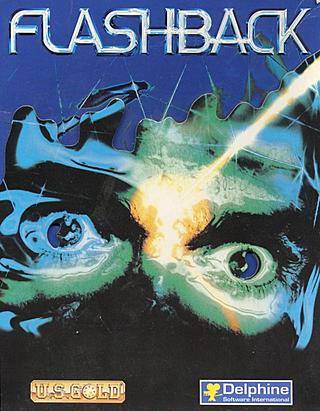
A cyberpunk, action adventure evolution of the cinematic platformer. It paired its impressive rotoscoped motion in a more expansive adventure filled with NPC interactions, inventory management, and tactical gadgetry - most notably a clever teleporter beacon that you could throw. Smooth animation, impressive cutscenes and atmospheric world building made its sci-fi tale of alien conspiracy feel like playing through a film. Much more successfully so, mind you, than contemporary FMV titles, or some later games like Metal Gear Solid that were plagued by endless, passive dialogue scenes.
The Legend of Zelda: Link's Awakening
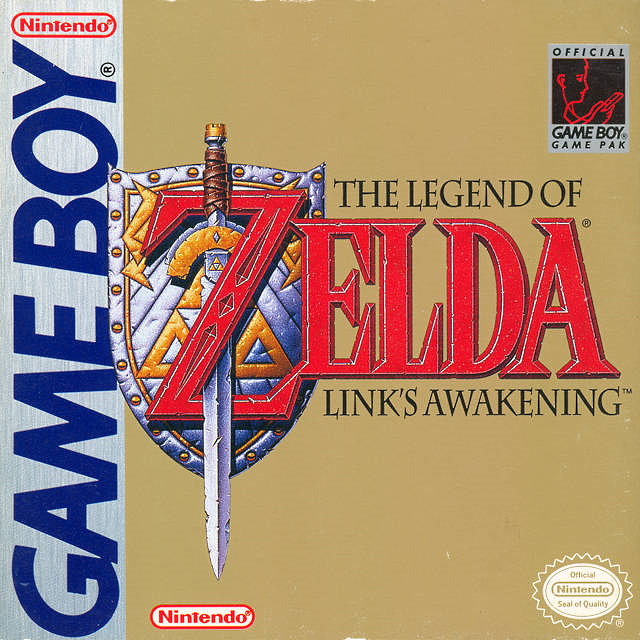
A remarkable achievement on the limited Game Boy hardware, translating the look and mechanics of A Link to the Past into a portable format while deepening the experience with more distinct dungeons, evolving character relations and side-scrolling segments. What truly set it apart was its tone: Koholint Island’s surreal dream world - with character cameos, phone booths, and a wistful, ominous atmosphere - gave it a unique personality which still stands out. The animal village, Marin's song, and the emotional weight of the final reveal combined to create a world that felt alive, with the monochrome limitations of the Game Boy somehow working in its favor.
Super Metroid
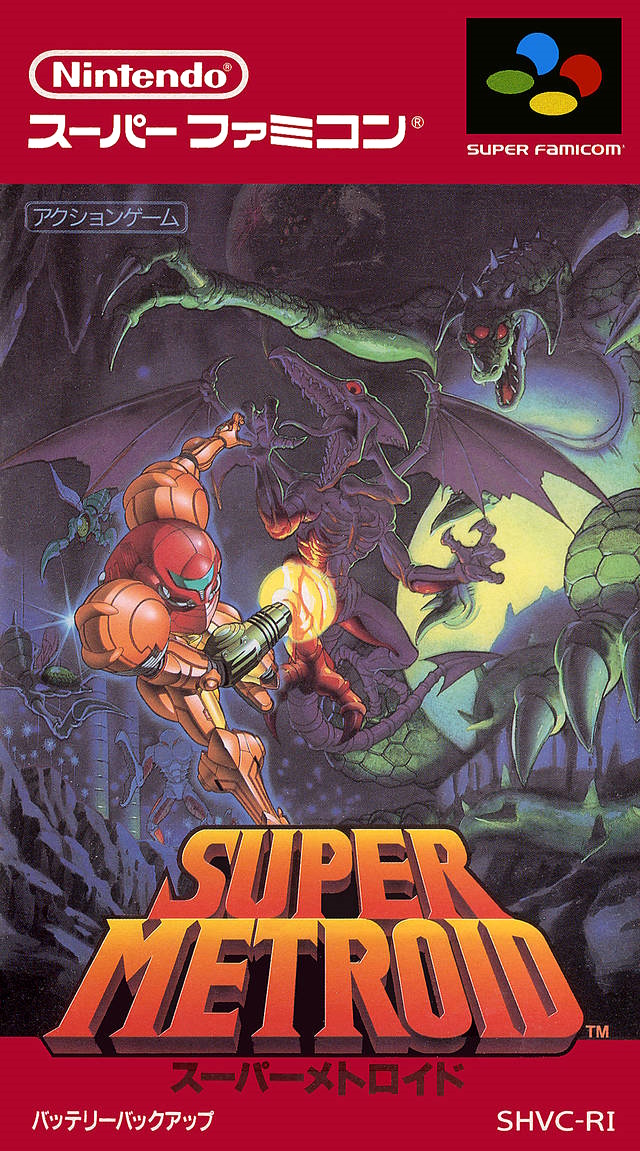
The pinnacle of the Metroidvania subgenre, even today. Super Metroid relies on masterful environmental storytelling, subtle sci-fi horror, an expansive and exciting set of abilities and tools, and a unmatched sense of isolation on the pirate infested planet Zebes. With fluid movement including 8-way aiming and two modes of jumping, and sequence-breaking mechanics like wall-jumping and the unofficial mock-balling, it delivers a masterclass in open-ended exploration and player empowerment oscillation. This was also one of the few games that my dad showed any interest in at the time, letting me play it while he watched until I'd get stuck for too long.
Donkey Kong Country
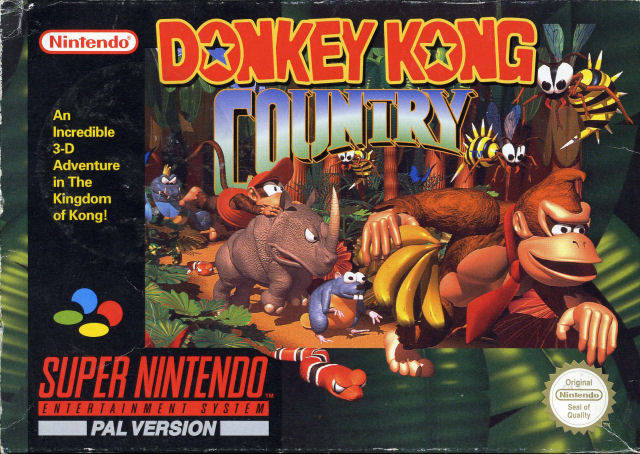
An audiovisual landmark that made the SNES feel almost like next-gen hardware - it was one of the games that finally made us buy the SNES. Rare’s pre-rendered 3D models and environmental weather effects were paired with David Wise’s iconic soundtrack. Of course, it was a great platformer as well; one that sat in a middle ground between Mario and Sonic. Tag-teaming between Donkey and Diddy, riding animal helpers, and rhythmically speeding through barrel-cannon sequences made it some of the most fun to be had with games back in 1994.
Secret of Evermore
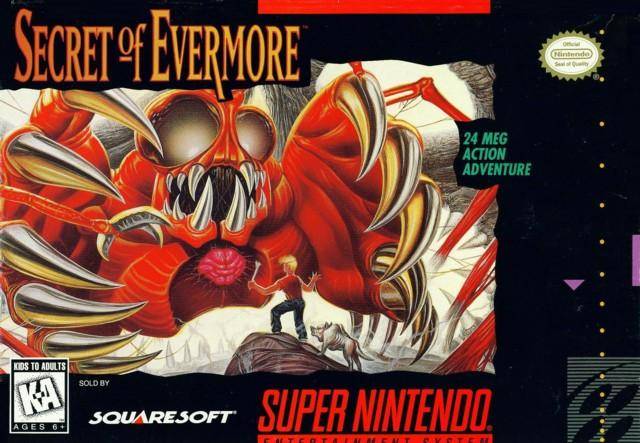
An underrated, highly polished Western-developed (but heavily influenced by the Japanese Secret of Mana as you may have guessed) ARPG that served as an excellent entry point into the genre. Its distinct alchemy system substituted traditional magic points for resource gathering, sending your shapeshifting dog to sniff out hidden spell ingredients across the environment. Traversing a time-bending landscape - spanning prehistoric jungles, ancient Rome, gothic castles, and a futuristic space station - kept momentum high, while witty, pop culture-tinged dialogue and an atmospheric Jeremy Soule soundtrack gave the journey a charm all its own.
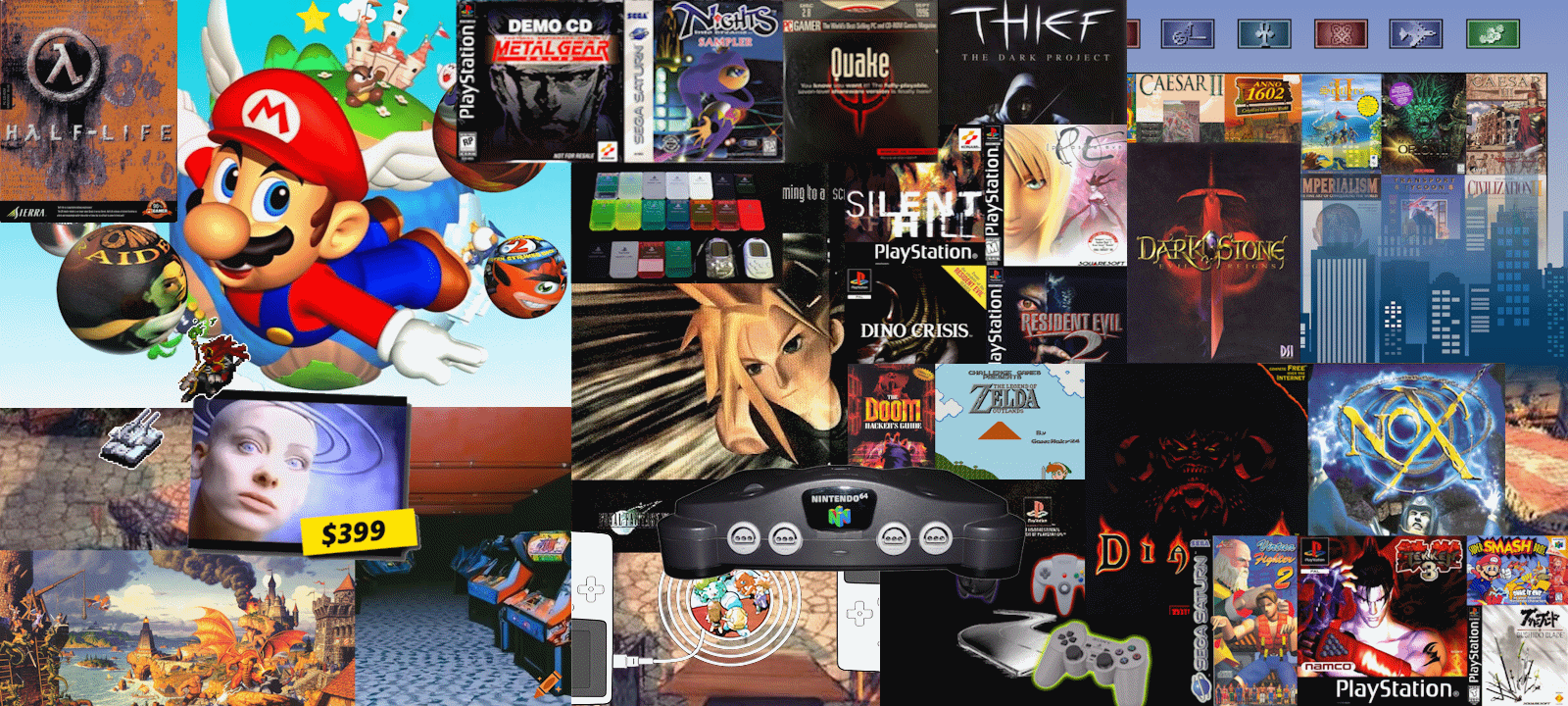
=== 3D & MID-LATE '90S PC ERA ===
SimCity 2000
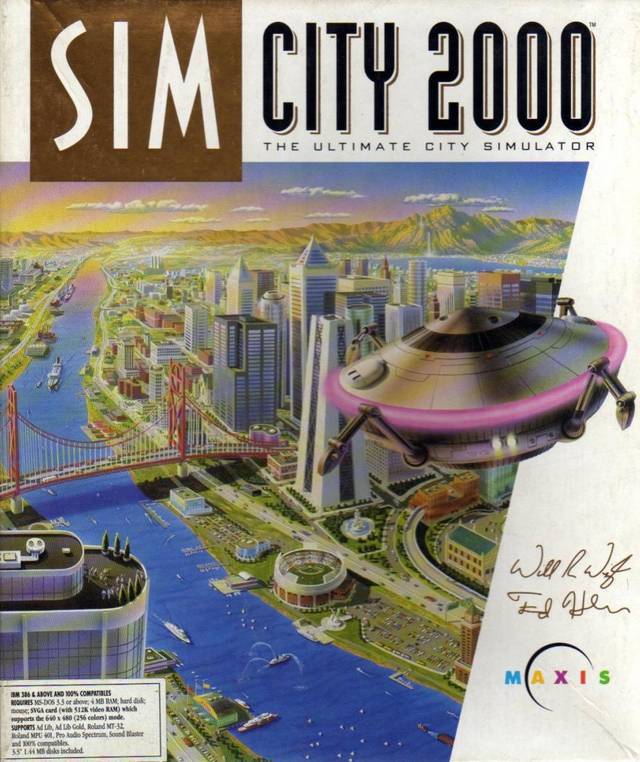
A monumental leap forward for city-building simulators that made management feel both sophisticated, relatively accessible, and rewarding. Its isometric perspective brought sprawling urban centers to life, while introducing intricate layers like subway networks, mountain tunnels, water pipe systems, financial bonds, and precise zoning ratios. The game rewarded long-term planning while actively pushing back against poor management - aggressively cutting public funding had immediate, visible consequences. It offered a deep, in some ways educational sandbox that empowered players to build, optimize, and maintain living virtual cities. Or if you just wanted to mess around, you could cheat and not have to worry about the economical aspect.
Star Fox
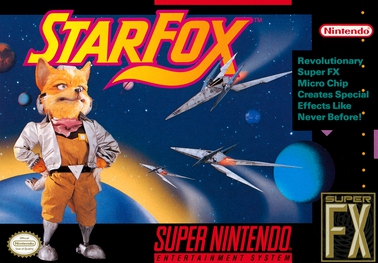
The first great 3D game experience for many, introduced to some Swedes in a dark tent at the Stockholm Water Festival (Vattenfestivalen). Powered by the Super FX chip, its custom polygonal graphics represented a radical shift from the era's typical pseudo-3D, sprite-based titles. Controlling Fox McCloud through abstract cityscapes and tight corridors felt like a huge leap forward from Space Harrier and After Burner. Alongside arcade juggernauts like Daytona USA, Ridge Racer and Virtua Fighter, and PC pioneers like Stunts and Doom, it fundamentally altered the trajectory of the industry while shaping my expectations on 3D games to come.
Warcraft II: Tides of Darkness
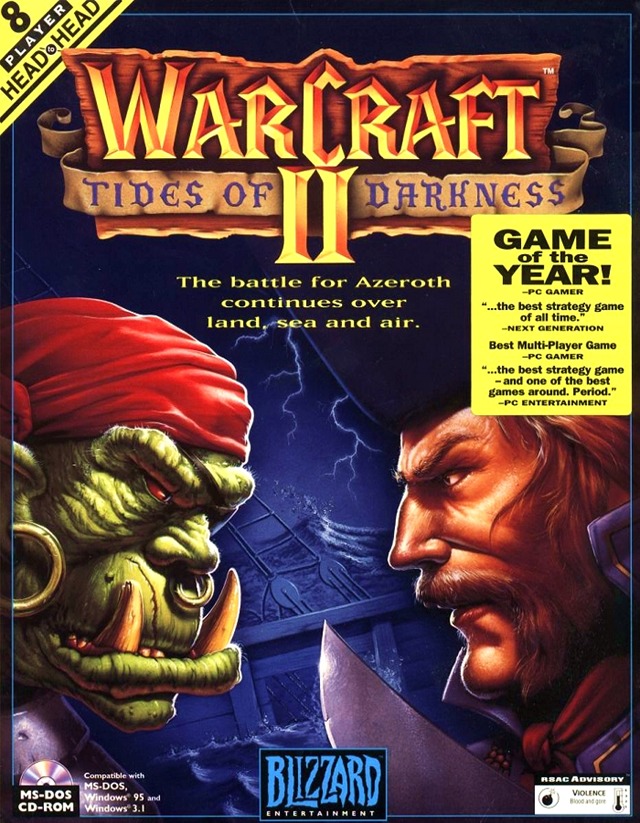
A cornerstone RTS that brought high-fantasy warfare to life with speed, precision, and personality. It featured fully voice-acted mission briefings, fun unit responses where if you kept clicking, the unit would get more talkative and eventually annoyed. Besides land combat, there was the more methodical naval and aerial (or air to ground and vice versa) combat, many new and creative spells, and the introduction of fog of war. Warcraft II set a new bar for the genre while introducing me and many other players to LAN (and later Battle.net) multiplayer sessions.
Diablo
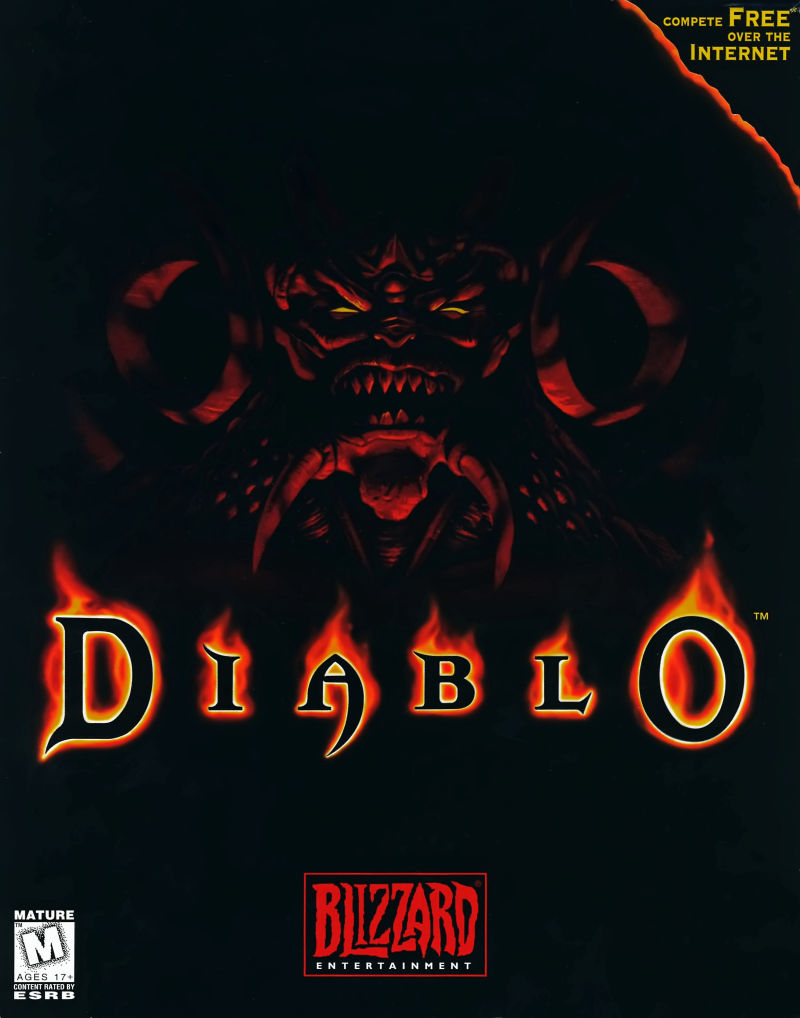
An atmospheric dark fantasy dungeon crawler that perfected the addictive loop of fighting your way through an unexplored dungeon while packing your bags with unidentified loot, returning to town with a town portal spell to trade and repair, then going back down to repeat the process. Descending 16 floors beneath the small town of Tristram was a dungeon that offered procedurally generated layouts, color-coded equipment drops, well presented lore, and eerie sound design. Combined with the town portal mechanic, corpse running and early online multiplayer on Battle.net (PvP or PvE in co-op), it set the new gold standard for Action RPGs. And thanks to modern source port DevilutionX, the game remains remarkably playable even in the 2020s.
Command & Conquer: Red Alert
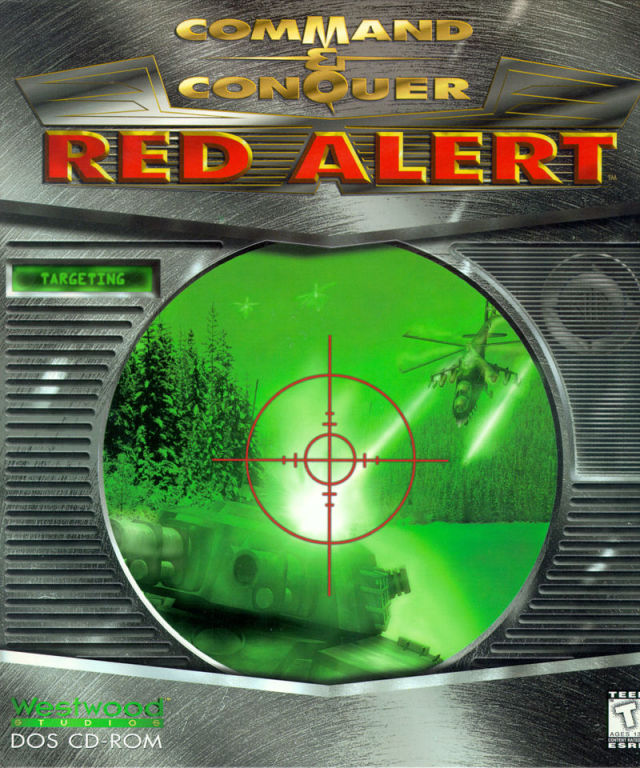
Taking the real-time strategy foundation of its predecessor (which I played after this one) and pushing it further, this entry delivered an alternate-history war with two vastly distinct factions. Pitting Soviet Tesla Coils and heavy armor against Allied Cruiser support and stealth tech gave matches tactical depth, and made each faction feel quite distinct. The campaign excelled through varied, story-driven missions - ranging from base building to tense indoor infiltrations - punctuated by live-action cutscenes that struck just the right balance between serious and campy, and further enhanced by iconic unit voicework. Backed by chaotic eight-player multiplayer with fun tech like atomic strikes and chronosphere teleportation, it set a new benchmark for visceral, large scale RTS gameplay, though in retrospect I would say that Warcraft II was the overall better controlling game.
Strife
A pioneering hybrid that pushed the Doom engine far beyond straightforward shooting by weaving in deep action-RPG mechanics. Set in a distinct sci-fi medieval world, it dropped players into an interconnected hub filled with shopkeepers, talkative NPCs, quest-driven stat upgrades, and fully voiced radio communications. Branching faction choices provided distinct level paths and multiple endings, offering a level of narrative agency and replayability rarely seen in mid-'90s shooters. Though its stealth mechanics didn't amount to much and the later sewer section were tedious, its vision for an immersive, story-driven FPS was years ahead of its time - only rivaled by the far less approachable System Shock from 1994, which I didn't play at the time.
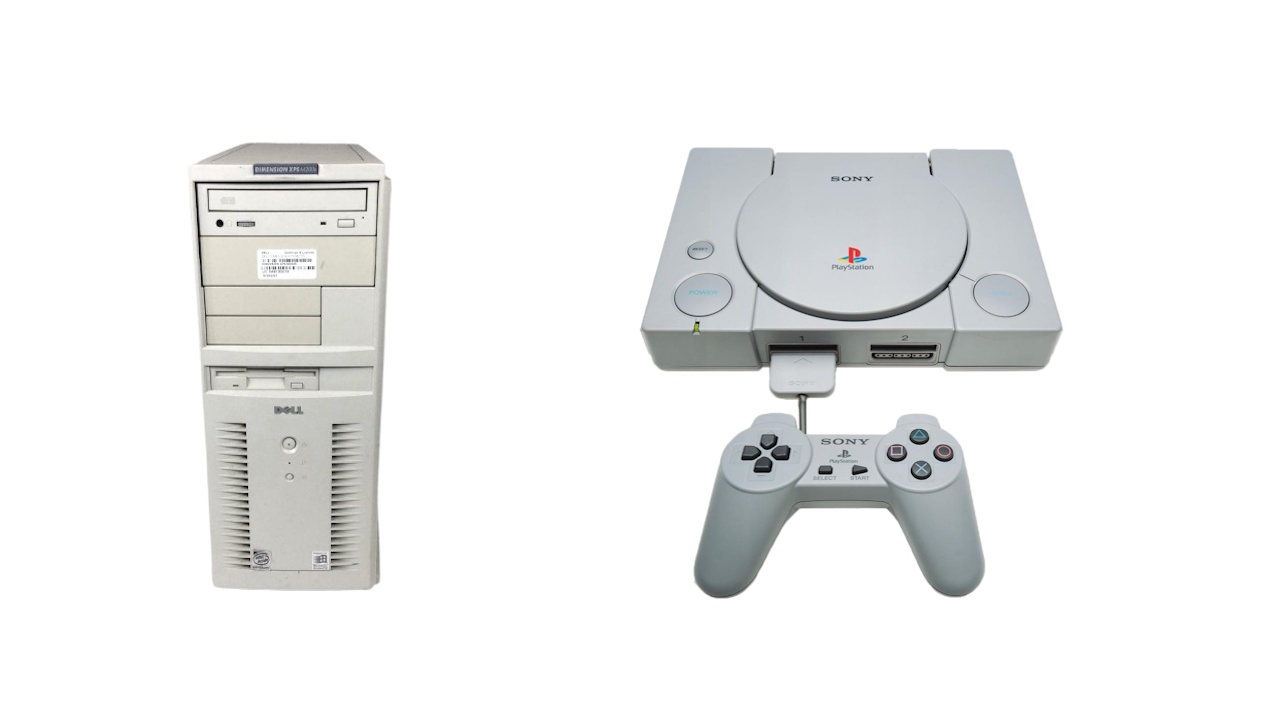
Final Fantasy VII
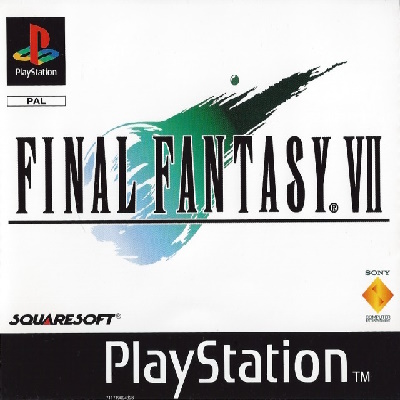
A cultural phenomenon that served as the gateway JRPG for a generation outside of Japan. It helped further several new friendships for me at school, and led to some very bad attempts at anime-style hairdos by those friends. Transitioning to cinematic 3D battles, pre-rendered cyberpunk backgrounds, and groundbreaking CGI cutscenes, it told an ambitious story centered on Cloud's complex identity, while also exploring several other party characters in-depth. Driven by Nobuo Uematsu’s legendary soundtrack and a flexible Materia magic system, and memorable locations like Midgar, Gold Saucer and Cosmo Canyon, it properly introduced me to a very different, but equally compelling take on RPGs.
StarCraft
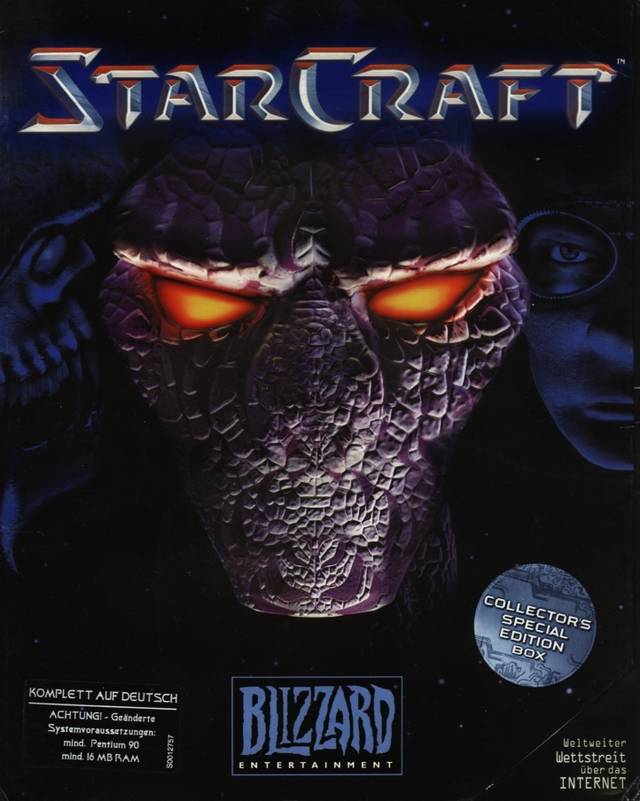
A strategic masterpiece defined by three wildly asymmetric, immaculately balanced factions: Terran, Zerg, and Protoss. With an epic sci-fi campaign, refined control features like rally points and unit queues, and a thriving map editor custom game ecosystem, it became an online multiplayer juggernaut that dominated competitive gaming for years. It wouldn't have been possible without Blizzard's continued support and receptiveness to player feedback, balance patching the game many times and adding the replay feature.
Half-Life
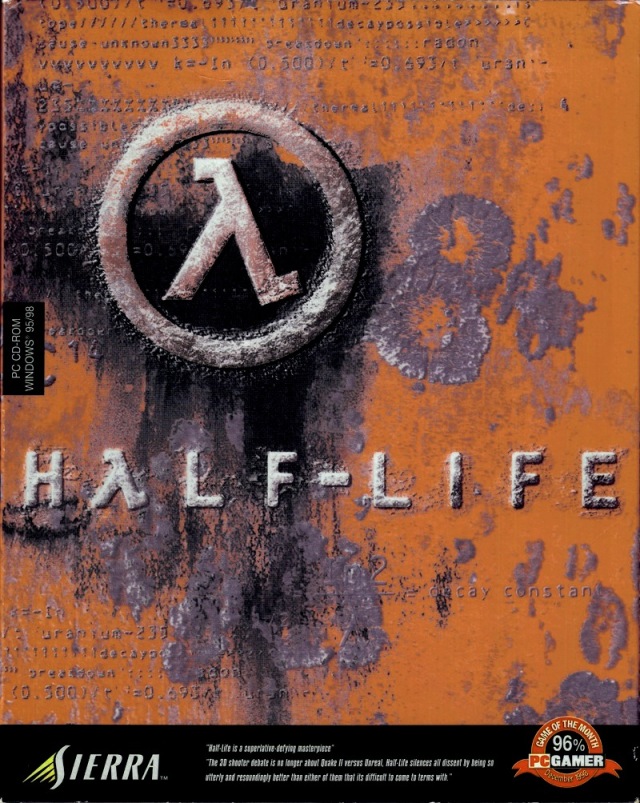
A leap forward for first-person shooters that abandoned traditional levels and cutscenes in favor of seamless, in-engine storytelling. Experiencing the Black Mesa incident and its direct consequences - alongside surprisingly tactical, coordinated enemy AI - redefined narrative immersion and spawned a legendary modding legacy, including Counter-Strike.
Fallout 2
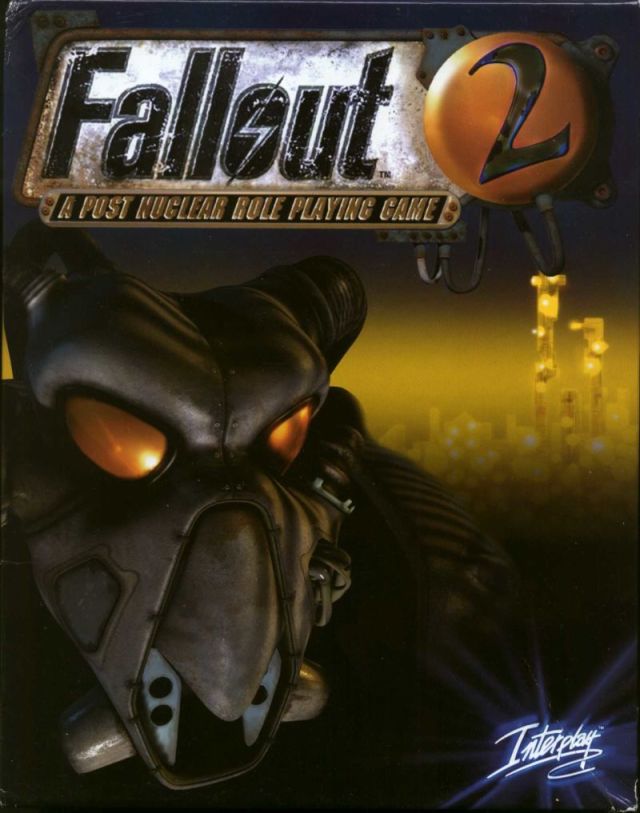
A high-water mark for computer role-playing games that defined total player freedom. Its expansive post-apocalyptic West Coast setting responded dynamically to your character build, seamlessly accommodating everything from a high-charisma diplomat to a low-intelligence bruiser. Detailed turn-based combat allowed targeting of individual body parts, while its quests systematically rewarded creative problem-solving and dark humor. Despite a slow opening, clunky inventory menus, and unpredictable companion AI, its depth, moral ambiguity, and sheer reactivity remain a masterclass in RPG design.
Baldur's Gate
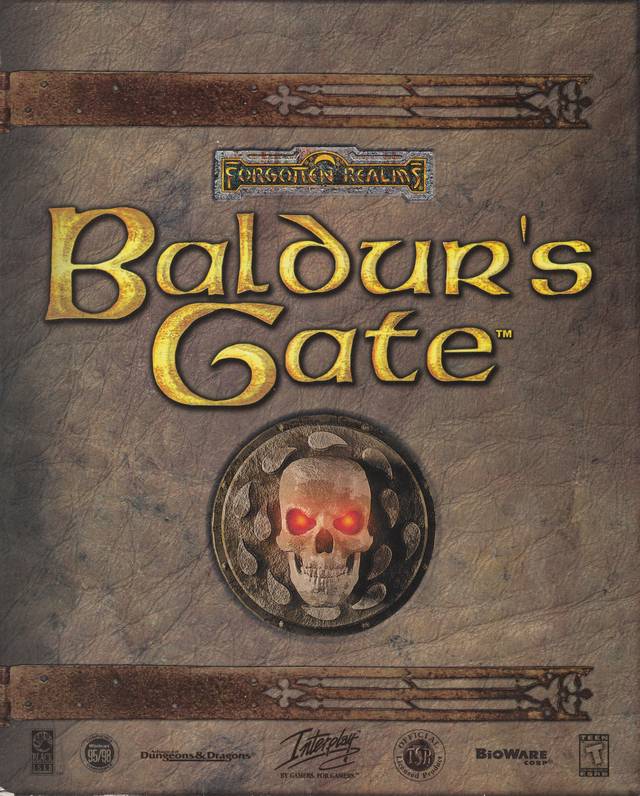
My proper entry into fantasy-themed CRPGs. Coming off Fallout 2, Baldur's Gate was a stark contrast. Despite a high difficulty curve and an initially overwhelming character creation system, its eloquent, witty writing, vast medieval fantasy world filled with dense forests, monasteries, ruins and grand cities, and staggering spell variety eventually hooked me. The moral weight of dialogue choices, the option to take an evil-aligned path with its unique companion options, and the seamless addition of the Tales of the Sword Coast expansion (especially Durlag's Tower) kept me coming back to its world. And then, exporting my character at the end made finishing it feel like just the beginning of a grand adventure.
Resident Evil 2
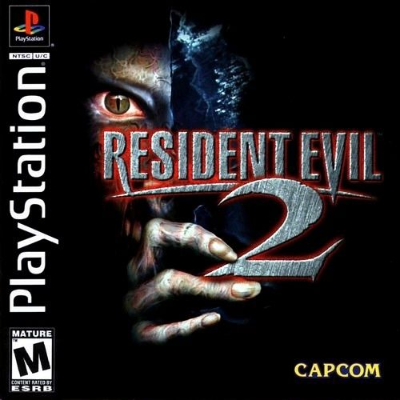
A survival horror milestone with blockbuster production values, and my introduction to action gameplay in its specific kind of 2.5D with fixed camera angles. Expanding the outbreak from the prequel to the burning streets and sprawling police station of Raccoon City, its increased variety and dual-scenario "A/B" structure for Leon and Claire created high replayability. Stalking threats like the relentless Tyrant, strict inventory limitations, calculated jump scare scenes and terrifying ambient audio kept the tension high.
Heroes of Might & Magic III
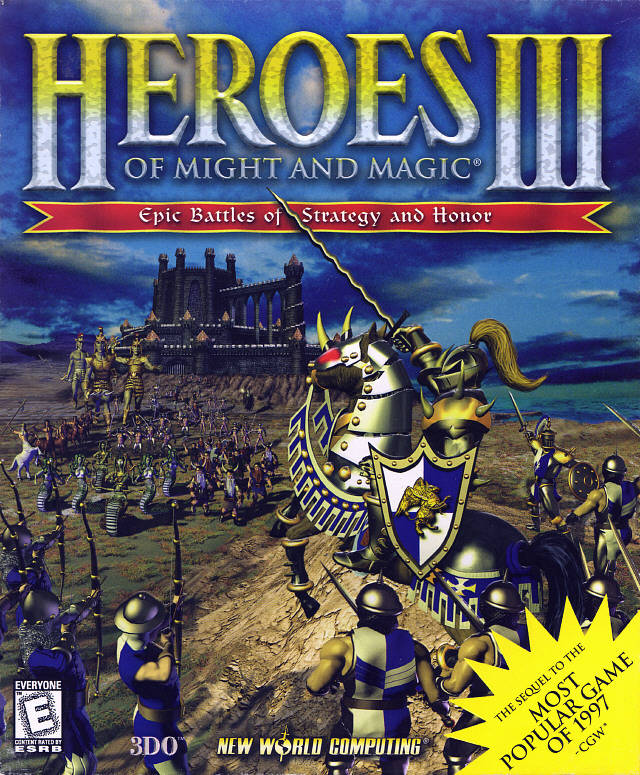
A stellar turn-based strategy and RPG hybrid that struck a near-perfect balance between strategic planning, exploration, and character progression. Developing towns, hunting for artifacts, customizing heroes, and commanding hex-based tactical battles made it easy to lose track of time in both campaigns and multiplayer sessions. Its nine distinct factions felt truly unique thanks to varied creature lineups, hero specialties, and iconic town themes. Though some balance quirks exist, the sheer depth of spells, map encounters, and modern fan efforts like the HD+ mod's quality-of-life enhancements ensure this strategy classic has aged remarkably well.
Starsiege & Starsiege: Tribes
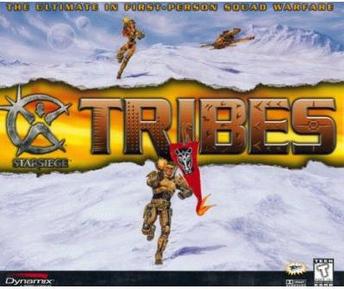
I got Starsiege and Tribes as a bundle and they represented two very different but equally memorable experiences. Starsiege was my first proper mech game - the large open landscapes, the squad combat, the in-depth customization and the expanded lore delivered through in-game message boards and cutscenes gave made its world come alive in a way I hadn't really seen before. Another cool touch was being able to play as the invading alien faction. Tribes (shazbot) was something else entirely, a team-based MP only FPS with tons of creativity and huge teams of 16+ players. The jetpack-based movement combined with the skiing mechanic, where you'd build up speed across slopes and launch yourself across vast open levels, created a flow that you couldn't find elsewhere at the time. The class system, the base building elements like the placement of turrets, capture the flag and other modes like defend & destroy across wide outdoor landscapes with seamless indoor to outdoor transitions, and the team coordination via the interactive map and voice hotkeys gave it a tactical depth that rewarded players who put the time in.